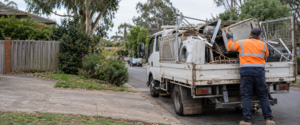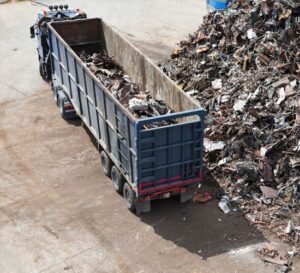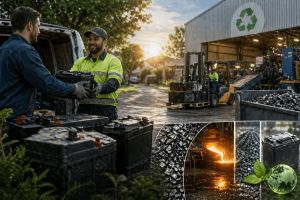


Aluminium recycling in Melbourne is valuable because the material can be recovered and used again in new products. If you have aluminium offcuts, cans, window frames, sheets, cable or other scrap in Melbourne, preparing it properly helps a recycler assess the material more efficiently.
Metal Group Recycling is a mobile service-area business. We assess eligible collection requests individually from the photos, material type, quantity, suburb and access details you provide. We do not operate a public drop-off yard.
Why aluminium recycling matters in Melbourne
Recycling aluminium keeps a valuable metal in circulation and reduces the need to produce the same amount of new material from raw resources. Aluminium can be sorted and processed into material for future manufacturing, construction, packaging and transport uses.
For households, trades and businesses, separating aluminium from mixed rubbish is a practical first step. It makes the material easier to identify, helps reduce contamination and gives you a clearer picture of what you have.
Common aluminium items that may be recyclable
Aluminium appears in many forms. Depending on condition and the overall collection request, common examples can include:
- window and door frames;
- sheet and plate offcuts;
- guttering and roofing material;
- aluminium cans;
- some household and commercial fixtures;
- vehicle components and mixed non-ferrous scrap.
Different aluminium items may contain other materials such as steel fittings, plastic, rubber, glass or insulation. Mention those details when you send photos so the assessment is based on what is actually present.
How to prepare aluminium for assessment
You do not need to turn a collection request into a major project. A few simple steps are enough:
- separate aluminium from general waste where practical;
- remove loose rubbish and personal items;
- keep different materials in clearly separate piles or containers if you can;
- take clear photos in good light, including a wider photo that shows the quantity;
- tell us your Melbourne suburb and any access constraints, such as stairs, narrow gates or a restricted worksite.
Do not guess the metal type if you are unsure. Send photos and describe the item instead. The team can use that information to determine the appropriate next step.
How mobile collection requests work
To request an assessment, send photos of the aluminium, a short description, your contact details and the collection address or suburb. Metal Group Recycling will review whether the material and location are suitable for mobile collection.
Availability depends on the material, amount, site access and scheduling. We do not promise a fixed pickup threshold or publish fixed rates because each request needs to be assessed individually. If a collection is arranged and completed, payment is made by same-day EFT after the material and transaction details have been checked. Valid photo ID is required for every transaction.
Aluminium recycling for homes, trades and businesses
Whether you have a small renovation pile, trade offcuts or commercial scrap, accurate photos make the first conversation much more useful. The same applies if the aluminium is mixed with copper, cable, steel or batteries: tell us what is there so the collection request can be assessed as a whole.
For broader information about the materials we handle, see our metal recycling service. For aluminium-specific enquiries, visit aluminium recycling in Melbourne.
Request an aluminium collection assessment
For aluminium recycling Melbourne enquiries, send current photos, the type of aluminium, your suburb and any access details. Separate obvious non-aluminium materials where practical and mention any mixed scrap. That gives Metal Group Recycling the information needed to assess whether a mobile collection may be suitable.
Send current photos, the material description, your Melbourne suburb and any access information. We will let you know whether a mobile collection can be arranged. Contact Metal Group Recycling to get started.