

9 Fun Facts About Copper: History, Properties & Recycling Benefits
Copper is one of the oldest and most versatile metals known to humans. It’s more than just a shiny metal used in wiring, plumbing, and electronics — copper has a rich history, unique scientific properties, and incredible sustainability potential. Learning about copper can be fun, informative, and even inspiring, especially for anyone interested in science, technology, or environmental responsibility.
In this article, we’ll explore 9 fun facts about copper that highlight its historical significance, modern applications, and eco-friendly benefits. By the end, you’ll understand why copper continues to play a critical role in our daily lives — and why recycling it is so important.
1. Copper Is One of Humanity’s Oldest Metals
Copper has been used by humans for more than 10,000 years, making it one of the first metals ever discovered. Ancient civilizations in Egypt, Mesopotamia, and the Indus Valley used copper to craft tools, jewelry, coins, and even ceremonial items.
Archaeological findings suggest that early humans recognized copper’s malleability and corrosion resistance, making it ideal for crafting durable objects. Unlike stone or wood, copper can be melted and molded, which allowed ancient cultures to innovate in ways that shaped human history.
Fun fact about copper: The famous Bronze Age (around 3300–1200 BCE) was named after an alloy of copper and tin called bronze, used extensively for weapons, tools, and art.
2. Copper Has Exceptional Electrical and Thermal Conductivity
Copper is known for its high electrical conductivity, second only to silver, which makes it the metal of choice for electrical wiring, circuit boards, and renewable energy systems. Its excellent thermal conductivity also makes it ideal for heat exchangers, cookware, and air conditioning systems.
Because of these properties, copper is found everywhere — from the tiny circuits inside your smartphone to massive power generation facilities. Its efficiency in conducting electricity reduces energy losses, making it both practical and environmentally beneficial.
3. 100% Recyclable Without Losing Quality
One of copper’s most impressive traits is that it can be recycled infinitely without any loss of quality or performance. This is a rare property among metals. Recycled copper, also called secondary copper, is just as strong and conductive as newly mined copper.
Recycling copper significantly reduces the need for mining, which helps conserve natural resources, saves energy, and minimizes environmental degradation. For example, recycling one ton of copper saves approximately 85% of the energy that would be required to produce it from ore.
Tip: Always recycle old electronics, plumbing pipes, or scrap copper to support the circular economy.
4. Copper Has Natural Antimicrobial Properties
Copper is naturally antimicrobial, meaning it can kill bacteria, viruses, and fungi on contact. This property has made copper invaluable in hospitals, kitchens, and public spaces.
Studies have shown that copper surfaces can reduce the risk of infections by killing harmful microorganisms within hours. As a result, doorknobs, countertops, and handrails are increasingly made with copper or copper alloys to improve hygiene.
5. Copper Is Everywhere in Daily Life
From plumbing and roofing to electronics and transportation, copper is ubiquitous. Many coins worldwide contain copper alloys due to their durability and resistance to corrosion. Architectural elements, like the green patina on the Statue of Liberty, are caused by the natural oxidation of copper, which forms a protective layer over time.
Even in vehicles and electric wiring, copper plays a vital role. Its presence in renewable energy technologies like solar panels, wind turbines, and electric cars underscores copper’s importance for a sustainable future.
6. Copper Supports Human Health
Copper is an essential trace mineral for humans. It supports red blood cell production, helps maintain healthy nerves, and contributes to a strong immune system. Copper deficiency is rare but can lead to fatigue, anemia, and weakened bones.
This demonstrates that copper isn’t just valuable industrially — it’s also important biologically. Even tiny amounts consumed through diet are critical for maintaining overall health.

7. Copper Forms Valuable Alloys
Copper rarely exists alone in applications; it is often combined with other metals to form alloys like:
Bronze (copper + tin): Used for sculptures, coins, and historical weapons.
Brass (copper + zinc): Used in musical instruments, plumbing fixtures, and decorative items.
Alloys allow copper to have a wider range of applications while maintaining its durability and aesthetic appeal.
8. Copper Plays a Key Role in Clean Energy
Copper is essential for renewable energy systems. Solar panels, wind turbines, and electric vehicles rely heavily on copper for electrical conductivity. As the world moves toward clean energy, the demand for copper continues to grow.
In fact, some estimates suggest that an electric car contains up to four times more copper than a conventional gasoline vehicle. Recycling copper from old electronics and vehicles helps meet this growing demand sustainably.
9. Copper Recycling Saves Money and the Environment
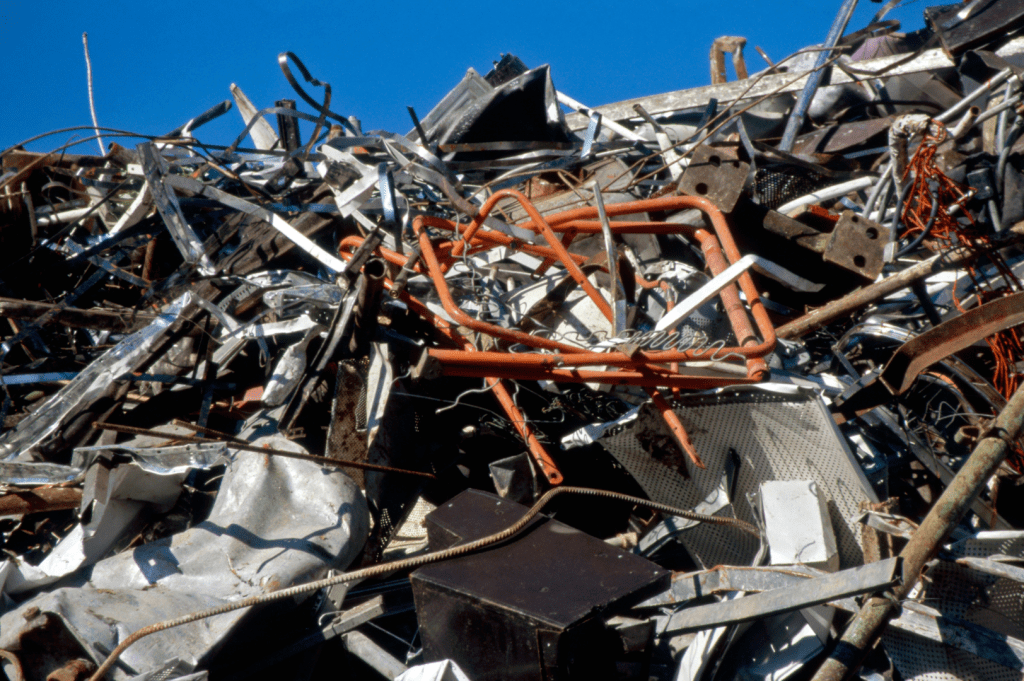
Recycling copper not only conserves resources but also provides cash. Scrap copper is highly valuable, and businesses or individuals can earn money by selling it to licensed recyclers.
By recycling, you also reduce landfill waste, lower greenhouse gas emissions, and help maintain a circular economy where materials are reused instead of discarded.
If you have scrap copper, contact Metal Group Recycling today for top prices and responsible, eco-friendly recycling.
Conclusion
Copper is a fascinating metal with a rich history, unique properties, and incredible sustainability potential. From ancient tools and coins to modern electronics and renewable energy, copper continues to shape our world. By recycling copper, we can conserve resources, reduce environmental impact, and even earn cash.
These fun facts about copper show why this versatile metal is not only valuable but also essential for a sustainable future.